
Comfortable Travel Clothes for Long Flights: 2026 Guide
Editorial Team
Table of Contents
- Why Your Flight Outfit Matters for Arriving Ready
- The 5 Fabrics That Make or Break Comfortable Travel Clothes
- How to Dress for Overnight Flights: The 3-Layer System
- The Best Travel Leggings for Women in 2026
- Why Compression Socks for Long Flights Are Non-Negotiable
- Styling Tips: Looking Polished from Gate to Destination
- Conclusion: Your Carry-On Ready Travel Uniform
- Frequently Asked Questions
Last Updated: September 7, 2026
Why Your Flight Outfit Matters for Arriving Ready
A 10-hour flight in the wrong outfit leaves you stiff, overheated, and rumpled before you even collect your bags. The clothes you wear on board directly affect your circulation, sleep quality, and how you feel stepping into a new city, which is why choosing comfortable travel clothes for long flights women in 2026 prioritize is less about fashion and more about physiology.
At Global Wellness Alliance, we understand the connection between physical comfort and recovery, especially for those with active lifestyles or service-related physical limitations. Your flight outfit is your first line of defense against travel fatigue.
The best travel wardrobe strategy treats your body like the resilient instrument it is. Comfortable travel clothes are not a luxury; they are a functional tool for arriving ready to perform, whether that means a business meeting, a family reunion, or simply exploring without the fog of a bad flight. Below, we break down the exact fabrics, layers, and accessories that transform a cramped seat into a manageable experience.
The 5 Fabrics That Make or Break Comfortable Travel Clothes
The single biggest mistake travelers make is prioritizing style over fabric technology. If the material doesn't breathe, stretch, and resist wrinkles, the outfit fails regardless of how it looks. But in 2026, the conversation has shifted beyond just 'merino vs. synthetic', it's about understanding the engineering behind the knit and how it interacts with your body's microclimate at 35,000 feet.
Here are the five fabric categories that matter most, including the emerging technologies that most style guides ignore.
- Merino Wool (17.5-19.5 micron): Naturally temperature-regulating and anti-odor, it handles multi-day wear without washing. The key metric is micron count, anything above 20 microns feels itchy against the skin. Look for 17.5-micron merino for a truly soft, base-layer feel.
- Recycled Polyester Blends: When engineered for moisture-wicking, these are the workhorses of travel. But the 2026 upgrade is recycled polyester (rPET), made from post-consumer plastic bottles. It performs identically to virgin polyester but carries a fraction of the carbon footprint. Brands like Patagonia and prAna have normalized this in travel wear, and it's now a baseline expectation for eco-conscious flyers.
- Tencel Lyocell: This is the sustainable wildcard most competitors overlook. Derived from eucalyptus wood pulp in a closed-loop process, Tencel is softer than cotton, more breathable than polyester, and naturally resistant to odor-causing bacteria. It drapes beautifully, making it ideal for wide-leg travel trousers that look polished but feel like pajamas.
- Spandex/Elastane (5-10%): The stretch factor in leggings and joggers. But there's a critical distinction: recovery. Cheap spandex stretches out by hour six of a flight. High-quality elastane (like Lycra brand fiber) maintains its snap-back even after 12 hours of sitting. Check the fabric weight, 200-230 GSM (grams per square meter) is the sweet spot for opaque, non-sagging leggings.
- Seamless Knits with Zonal Compression: This is where the gap in the market lies. Seamless construction reduces friction and pressure points, but the 2026 innovation is zonal compression, panels of tighter knit placed at the calves and lower back that mimic the effects of compression wear without looking medical. This is not just a comfort feature; it's a circulation aid for long-haul flights.
The Temperature-Regulating Technology Competitors Ignore
Most articles tell you to 'layer' and stop there. But the real science is in phase-change materials (PCMs). These are microcapsules embedded in the fabric that absorb, store, and release heat as your body temperature fluctuates. When the cabin drops to 65°F during the dark hours of a red-eye, the PCMs release stored heat to keep your core warm (the CDC). When the cabin spikes to 75°F during meal service, they absorb the excess.
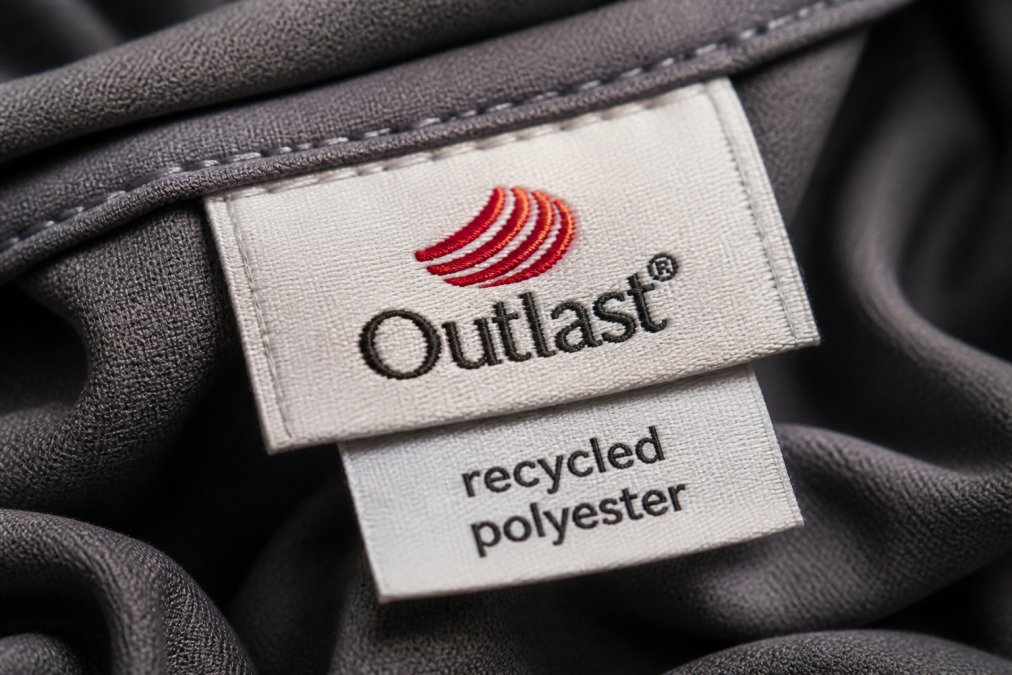
Outlast Technologies is the most well-known PCM supplier, and you'll find it in brands like 32 Heat and some higher-end athleisure lines. The effect is a fabric that actively buffers you against temperature swings of 5-7°F, reducing the need to constantly add or remove layers. This is the difference between a passive wardrobe and an adaptive one.
For a more budget-friendly option, look for brushed-back polyester fleece. The brushed interior traps dead air space, providing insulation without bulk. The trade-off is breathability, brushed fleece runs warmer, so it's better as a mid-layer you can remove, not a base layer.
How to Dress for Overnight Flights: The 3-Layer System
Dressing for an overnight flight is about adaptability, not just warmth. The 3-layer system gives you control over your microclimate without needing to change clothes in a cramped restroom. This approach is the most effective way to manage the unpredictable climate of a modern aircraft.
- Base Layer: A moisture-wicking top or thin long-sleeve shirt. This sits against your skin and keeps you dry.
- Mid Layer: A fleece or lightweight quarter-zip pullover that provides insulation you can remove easily. This is your primary temperature control.
- Outer Layer: A packable jacket or hoodie that you can roll up as a pillow or drape over your legs when the cabin gets cold.
The key to this system is that every piece should be easy to remove and stow. If you are wearing a pullover, ensure it has a wide neck or a zip that allows you to slip it off without creating a tangled mess in your seat. A lightweight, breathable quarter-zip, like the ones we carry at Global Wellness Alliance, functions perfectly as a mid-layer.

The Best Travel Leggings for Women in 2026
Leggings are the undisputed champion of flight comfort, but not all leggings are created equal. The best travel leggings for women in 2026 are those that offer a high waistband for support, a thick enough fabric to be opaque, and a fabric blend that resists pilling and sagging. They should feel like a second skin, not a compression tube.
Look for "athleisure" styles that cross over into travel wear. Key features to prioritize include an elastic waistband that doesn't dig in, a gusseted crotch for easy movement, and ankle zips if you plan to remove them without taking off your shoes. While leggings are the default, do not overlook wide-leg trousers or joggers with a tapered cuff; these offer a more polished aesthetic while still providing the comfort of knit fabric.
Why Compression Socks for Long Flights Are Non-Negotiable
Compression socks are a medical-grade travel hack that many casual travelers overlook (the NIH). They are not just for the elderly or those with circulation issues; they are essential for anyone sitting for more than four hours. These socks apply graduated pressure to your lower legs, which helps blood flow return to your heart instead of pooling in your feet and ankles.
This is the difference between landing with cankles and landing with your normal shoe size. Swelling in the feet and legs is common on long-haul flights due to reduced cabin pressure and inactivity. Wearing compression socks is one of the most effective ways to mitigate this risk.
But here's what the top-ranking articles miss: compression isn't just for your calves. The 2026 traveler is integrating compression wear, not just socks, into their flight wardrobe, and doing so strategically.
Beyond Socks: The Case for Compression Leggings and Shorts
A growing number of travel-focused physical therapists and sports medicine practitioners recommend low-grade compression leggings (15-20 mmHg) for flights over 8 hours, particularly for women who are prone to lower-back fatigue or hip discomfort in standard airline seats (peer-reviewed research).
The key distinction is graduated vs. uniform compression. True medical-grade compression is graduated, tightest at the ankle, loosening as it moves up the leg. Many 'compression' leggings on the market offer uniform compression, which can actually restrict blood flow if worn for extended periods. Look for leggings that specify 'graduated compression' or 'zonal compression' in the product description, and check that the pressure rating is stated in mmHg.
How to Choose the Right Pressure and Fit
- 15-20 mmHg: The sweet spot for travel. This is firm enough to prevent swelling without being so tight that it becomes uncomfortable during a 10-hour sit. This is the range most travel medicine practitioners recommend for healthy adults.
- 20-30 mmHg: Reserved for those with a history of circulation issues, varicose veins, or who are pregnant. This requires a proper fitting and ideally a consultation with a healthcare provider.
- Fitting matters more than brand: Measure your calf circumference at the widest point in the morning, feet and legs swell throughout the day, and you want a sock that fits your baseline, not your end-of-day size. A sock that's too tight at the knee can create a tourniquet effect, which is counterproductive.
The 2026 Upgrade: Compression with Smart Fabric Integration
Some premium brands are now combining compression with the moisture-wicking and temperature-regulating fabrics discussed earlier. This is the ultimate long-haul combination: a sock or legging that manages sweat, buffers temperature swings, and supports circulation. These pieces are more expensive, but for a 16-hour flight to Asia or Australia, the investment pays off in how you feel at baggage claim.
- Wear them from door to door: Put them on before you leave for the airport. The risk of swelling starts the moment you sit in the car or on the train.
- Pair with movement: Do ankle rolls and calf raises every hour to maximize the benefit. Compression is not a substitute for movement; it's a complement to it.
- Pack a second pair: For flights over 12 hours, consider changing into a fresh pair midway. The pressure gradient can weaken as the fabric stretches with wear.
Styling Tips: Looking Polished from Gate to Destination
Comfort does not have to mean looking sloppy. The modern traveler can look put-together using versatile separates that mix and match. The goal is to create a "travel uniform" that is carry-on friendly and destination-ready, meaning you can walk off the plane and straight into a casual lunch without looking like you just survived a red-eye.
Choose a cohesive color palette, like black, gray, and a single accent color, so that every top matches every bottom. This reduces the amount of clothing you need to pack and ensures you always look intentional. A structured crewneck sweatshirt or a clean zip hoodie reads as "smart casual" rather than "gym wear" when paired with the right trousers and clean sneakers.

Conclusion: Your Carry-On Ready Travel Uniform
Building the perfect flight outfit is about making strategic choices that respect your body's needs. By focusing on breathable fabrics, a functional layering system, and health-conscious accessories like compression socks, you can turn a grueling journey into a restful pause. The right outfit supports your circulation and regulates your temperature.
At Global Wellness Alliance, we design our lifestyle apparel with the same philosophy that drives our wellness products: resilience and recovery. Our collection of breathable quarter-zips and fleece layers is built to move with you, offering the comfort and durability required for long journeys. Pair a moisture-wicking pullover with our fleece sweatpants for the ultimate in-flight uniform, or grab a classic zip hoodie for easy temperature control.

Get started with Global Wellness Alliance and build a travel wardrobe that supports your body from takeoff to landing.
Frequently Asked Questions
What is the best outfit to wear on a long-haul flight?
The best long-haul flight outfit uses the three-layer system: a breathable base layer like a cotton t-shirt, a mid-layer such as a lightweight quarter-zip pullover for cabin temperature changes, and bottoms with stretch. Pair this with compression socks and slip-on shoes. Fabrics should be moisture-wicking and wrinkle-resistant to keep you dry and presentable when you land.
Are compression socks necessary for long flights?
Yes, compression socks are highly recommended for flights longer than four hours. They promote circulation in your lower legs, which reduces the risk of swelling. Choose a pair with graduated compression, usually 15-20 mmHg, to keep your legs feeling fresh. Slip them on before boarding for the best results, especially on overnight flights.
What are the best fabrics for long-haul flight clothing?
Focus on fabrics that are breathable, moisture-wicking, and have some stretch. Merino wool is excellent for temperature regulation and anti-odor properties. Lightweight polyester blends are quick-drying and durable, making them ideal for layering pieces. Avoid heavy cottons and stiff denim, as they lack the give you need for hours of sitting and offer little help with cabin temperature swings.
How do I balance style and comfort for international travel?
Choose versatile separates in neutral colors that can be mixed and matched. A pair of dark, wide-leg trousers or well-fitted joggers paired with a classic crewneck sweatshirt creates a polished yet relaxed look. Add comfortable accessories like a baseball cap for messy hair and a large scarf that doubles as a blanket. This approach keeps you comfortable without sacrificing your personal style.