
Millecor vs Veteran Owned Brands: 2026 Comparison
Editorial Team
Table of Contents
- What Sets Veteran Owned Brands Apart from Millecor
- Best Veteran-Owned Supplement Companies: What to Look For
- How to Verify Veteran-Owned Business Status
- Veteran Wellness Supplements for Recovery: Comparing Options
- Pricing and Value: Veteran Owned Brands vs Millecor
- The Economic Impact of Supporting Veteran Owned Brands
- Frequently Asked Questions
Last Updated: September 14, 2026
What Sets Veteran Owned Brands Apart from Millecor
When shoppers compare millecor vs veteran owned brands, the difference rarely comes down to a single ingredient or a single price tag. It comes down to who built the company and why. Millecor operates as a conventional supplement label: it sources ingredients, formulates products, and sells them through standard retail channels. Veteran owned brands in the wellness space tend to layer something else on top of that model, a founder's firsthand experience with injury, recovery, and the long road back to daily function.
That distinction matters more than most buyers realize. A veteran owned brand is a business in which a military veteran holds a meaningful ownership stake and, in most cases, shapes the product line around problems they personally lived through. For Global Wellness Alliance, that means a founder with over 28 years of military service, including a 100% disabled combat veteran designation, building supplements and apparel around recovery rather than around a trend cycle.

The practical takeaway: Millecor competes on formula and price. Veteran owned brands compete on formula, price, and a verifiable story about who is behind the label. Below, we break down how to tell those brands apart, how to verify their claims, and where the real value sits.
Best Veteran-Owned Supplement Companies: What to Look For
The best veteran-owned supplement companies share three traits: a verifiable founder story, transparent sourcing, and formulas built around a specific use case rather than a broad "wellness" pitch. When you evaluate a veteran owned brand, start with the founder. A company that names its veteran founder and describes their service background is easier to trust than one that leans on a flag logo with no name attached.
Next, look at the product line itself. A focused catalog, sports nutrition, protein powders, recovery supplements, or a small apparel range, usually signals a brand that knows its customer. A sprawling catalog of unrelated items often signals a marketing operation first and a wellness company second.
Finally, check whether the brand publishes anything about its supply chain. Purpose-driven companies tend to talk openly about where ingredients come from and how products are made. That transparency is a reasonable proxy for how seriously the brand takes quality assurance.
How to Verify Veteran-Owned Business Status
Verification is where most buyers stop short, and it is also where the market separates real brands from marketing. Veteran-owned business status is not a self-declared label; it can be checked against public records and certification bodies. The most reliable path runs through the federal government's own databases, which track which businesses are owned and controlled by veterans.
Start with the U.S. Department of Veterans Affairs, Office of Small and Disadvantaged Business use, which publishes guidance on how veteran-owned businesses are defined and certified for federal contracting. For a deeper check, the SBA's Veteran-Owned Business resources explains how the Small Business Administration verifies veteran and service-disabled veteran ownership through its certification programs. A brand that has gone through one of these processes will usually say so.
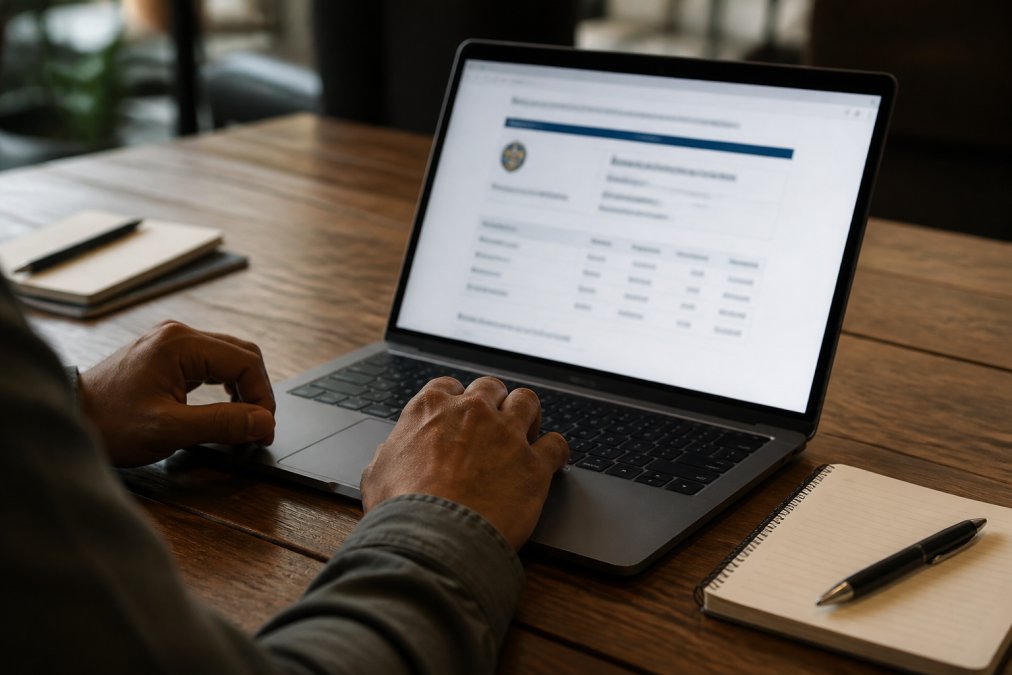
Here is a simple checklist you can run in about ten minutes:
- Search the business name in the SBA's veteran-owned business database
- Look for a named founder with a documented service branch and dates
- Check whether the brand states its ownership percentage held by the veteran
- Confirm any "service-disabled" claim against a certification, not a slogan
- Cross-reference the company's registration with your state's business filing records
If a brand clears all five, the veteran-owned claim is solid. If it clears two or three, treat the label as a story rather than a verified status.
Veteran Wellness Supplements for Recovery: Comparing Options
Recovery is the category where the veteran-owned approach shows its clearest advantage. Veterans managing chronic pain, service-connected disabilities, or the physical wear of long deployments tend to need foundational support, not a single miracle ingredient. That is why veteran wellness supplements for recovery usually combine protein, joint support, and daily micronutrients rather than pushing one hero product.
Global Wellness Alliance builds its line around exactly that logic. The brand's supplements are designed to support body, mind, and daily performance, with a focus on recovery from chronic pain and service-connected disabilities. That is a narrower and more honest promise than the "boost everything" framing common in mass-market sports nutrition. The brand also pairs supplements with lifestyle apparel, which sounds like an odd combination until you consider that recovery is as much about daily comfort and routine as it is about capsules.
Where Millecor and similar mainstream labels compete is on breadth and price. Where veteran-owned recovery brands compete is on fit, a formula aimed at a specific person with a specific history. Neither approach is wrong. They simply serve different buyers.
Pricing and Value: Veteran Owned Brands vs Millecor
Price is the objection that comes up first, and it deserves a straight answer. Mainstream labels like Millecor often win on sticker price because they buy ingredients at enormous volume and sell through mass retail. Veteran-owned brands typically run smaller production batches, which raises unit cost. The question is not which is cheaper. It is what you get for the difference.
The reason most price comparisons in this category are useless is that they compare a 30-serving tub to a 60-serving tub, or a protein blend to a single-ingredient powder, and call the result a verdict. A fair comparison needs three numbers on the same line: total price, servings per container, and price per serving. Without those, you are comparing packaging, not value.
Here is the framework worth running before you buy anything in this category:
| What to compare | How to calculate it | Why it matters |
|---|---|---|
| Price per serving | Total price ÷ servings per container | The only apples-to-apples cost figure |
| Protein or active grams per serving | Grams of the headline ingredient ÷ serving size | Reveals whether a "cheaper" tub is actually diluted |
| Cost per gram of active | Price per serving ÷ active grams | Exposes filler-heavy formulas |
| Third-party testing | Look for a COA or a named lab on the label | Testing adds cost; its absence is not a savings |
| Batch size | Small-batch vs mass retail | Small batches raise unit cost but tighten quality control |
| Founder and mission overhead | Named veteran founder, non-profit ties | Mission costs money; decide if you want to fund it |
Run that math on any two products and the gap often narrows. A mass-market tub at a lower sticker price can land at a higher cost per gram of active ingredient once you divide by what is actually in the scoop. A smaller veteran-owned brand can look expensive per bottle and competitive per serving, especially when the formula is built around one use case instead of a broad "wellness" pitch.
Global Wellness Alliance sits at the veteran-owned end of that table, and the brand is upfront about the trade-off: smaller batches and a mission-driven model cost more than a mass-market label. What the buyer gets in return is a product line built by someone who has actually lived the recovery problem, plus apparel that supports the same daily routine.
For a concrete example of the apparel side, the Global Wellness Alliance Corps Cap is a low-profile organic cotton cap with a soft, broken-in feel and an adjustable brass slider closure, priced at $23.12. It is the kind of everyday item that fits a recovery routine without shouting about it. If you want something with a bolder silhouette, the Global Wellness Alliance Trucker Hat runs $29.99 with a structured foam front and breathable mesh back.

The Economic Impact of Supporting Veteran Owned Brands
Every dollar spent with a veteran-owned business stays closer to the community that earned it. That is not sentiment; it is a pattern in how small, founder-led companies operate. Veteran-owned brands tend to hire other veterans, partner with non-profit organizations serving the military community, and reinvest a share of revenue into causes tied to their founding story. Mainstream labels rarely do any of this because their ownership and mission are structured around shareholder return, not community return.
Most articles stop there. The more useful question is how the money moves differently, because the mechanism is what makes the impact real rather than rhetorical.
Mechanism 1: Ownership concentration. In a founder-led company, the person who owns the business is often the person who answers the phone. Decisions about sourcing, hiring, and pricing get made by someone with a personal stake in the outcome, not by a category manager optimizing a quarterly margin target. That changes what gets prioritized when a supplier raises prices or a batch fails quality control.
Mechanism 2: Hiring networks. Veteran founders disproportionately hire veterans, partly because they understand the transition problem firsthand. Military transition is a well-documented friction point, the skills translate poorly to civilian résumés, and the first job after service often sets the trajectory for the next decade. A veteran-owned company that hires veterans is effectively running a private transition program.
Mechanism 3: Mission-linked revenue. Many veteran-owned brands route a share of revenue to non-profits serving the military community. The size of that share varies widely, and it is worth asking a brand directly what percentage goes out the door and to whom. A brand that cannot answer that question is running a logo, not a mission.
Mechanism 4: Supply-chain locality. Smaller brands tend to source and manufacture closer to home, which keeps more of the production dollar inside domestic supply chains. That is a real economic difference, not a marketing one, but it is also why veteran-owned products often cost more per unit.
The economic case runs in two directions. On the buyer's side, supporting veteran-owned businesses keeps demand flowing to companies that prioritize ethical sourcing and community support. On the seller's side, that demand gives veteran entrepreneurs a viable path after military transition, which is one of the harder periods in a service member's life. Buying a supplement or a cap from a veteran-owned brand is a small decision, but it compounds across thousands of buyers into real economic empowerment for a community that has already given a great deal.
Global Wellness Alliance frames this as the core of its mission: creating real impact and helping people reclaim their health, performance, and purpose. Whether that framing resonates with you is a personal call. What is not in question is that the money goes somewhere different when you buy veteran-owned.
For broader context on how veteran entrepreneurship fits into the economy, the U.S. Small Business Administration's veteran business data tracks ownership trends and lending programs aimed at veteran founders.
Frequently Asked Questions
What is the most reputable company for supplements?
Reputable supplement companies prioritize third-party testing, transparent labeling, and clear sourcing information. Look for brands that publish certificates of analysis (COAs) and avoid proprietary blends that hide ingredient amounts. For veteran-owned options, check if the company is verified through the National Veteran-Owned Business Association (NaVOBA) or holds a VOSB certification. Global Wellness Alliance, founded by a 100% disabled combat veteran, offers products with a focus on recovery and transparency.
What are some veteran-owned supplement companies?
Several veteran-owned supplement companies operate in the wellness space, including Global Wellness Alliance, which was founded by a disabled combat veteran with over 28 years of military service. These brands often focus on recovery, performance, and natural support for chronic pain. When evaluating veteran owned brands, check their verification status and whether they publish sourcing details. Global Wellness Alliance offers Swiss Drops and lifestyle apparel designed for those with physical limitations.
How can I verify if a supplement brand is truly veteran-owned?
To verify veteran-owned business status, check for certifications from the National Veteran-Owned Business Association (NaVOBA) or the Department of Veterans Affairs' VOSB (Veteran-Owned Small Business) database. Legitimate brands often display their certification numbers on their website. You can also search the Small Business Administration's (SBA) Veteran-Owned Business database. Global Wellness Alliance provides founder background details, including 28 years of military service, which supports its veteran-owned claim.
What should veterans look for when choosing wellness supplements?
Veterans should prioritize third-party testing, clear ingredient lists, and brands that understand service-related health challenges. Look for supplements formulated for recovery, joint health, and inflammation support. Check if the brand offers transparency in sourcing and manufacturing. Global Wellness Alliance provides veteran wellness supplements for recovery, including Swiss Drops, and apparel designed for comfort with physical limitations. Always consult your healthcare provider before starting any supplement regimen.
How does Millecor differentiate itself from other veteran-owned brands?
Millecor operates as a standard supplement retailer without a veteran-owned designation or mission-driven focus. Veteran owned brands like Global Wellness Alliance differentiate through founder experience, community impact, and a commitment to recovery. While Millecor may offer similar product categories, it lacks the personal resilience narrative and direct support for veteran health challenges. When comparing, consider whether the brand's values align with your priorities and whether they provide transparent sourcing information.