
Where to Buy Swiss Drops: Authentic Supplements Online
Editorial Team
Table of Contents
- Where to Buy Swiss Drops Online
- How to Verify Supplement Purity Before Purchasing
- Understanding FDA Supplement Regulations for Consumers
- Best Practices for Buying Supplements Online
- Pricing, Shipping, and Availability for Swiss Drops
- Authentic Swiss Drops vs. Generic Alternatives
- What to Know About Dietary Restrictions and Ingredients
- Conclusion
Last Updated: August 27, 2026
Where to Buy Swiss Drops Online
Finding where to buy Swiss drops means identifying which retailers offer authentic products at fair prices with reliable shipping. Online retailers fall into three main categories: direct-from-brand websites, major e-commerce marketplaces, and specialized supplement retailers. Direct-from-brand shopping gives you the highest confidence in product authenticity and often includes educational resources. Marketplaces offer convenience but require more due diligence to verify you're buying genuine products. Specialized retailers typically curate their inventory and provide expert guidance.
Global Wellness Alliance offers a curated selection of premium Swiss drops formulated to support recovery, performance, and daily vitality. The brand's approach centers on authenticity and transparency, which matters when you're investing in supplements for your health.
How to Verify Supplement Purity Before Purchasing
Before completing any purchase, you need a systematic way to verify that what you're buying is actually what the label claims.
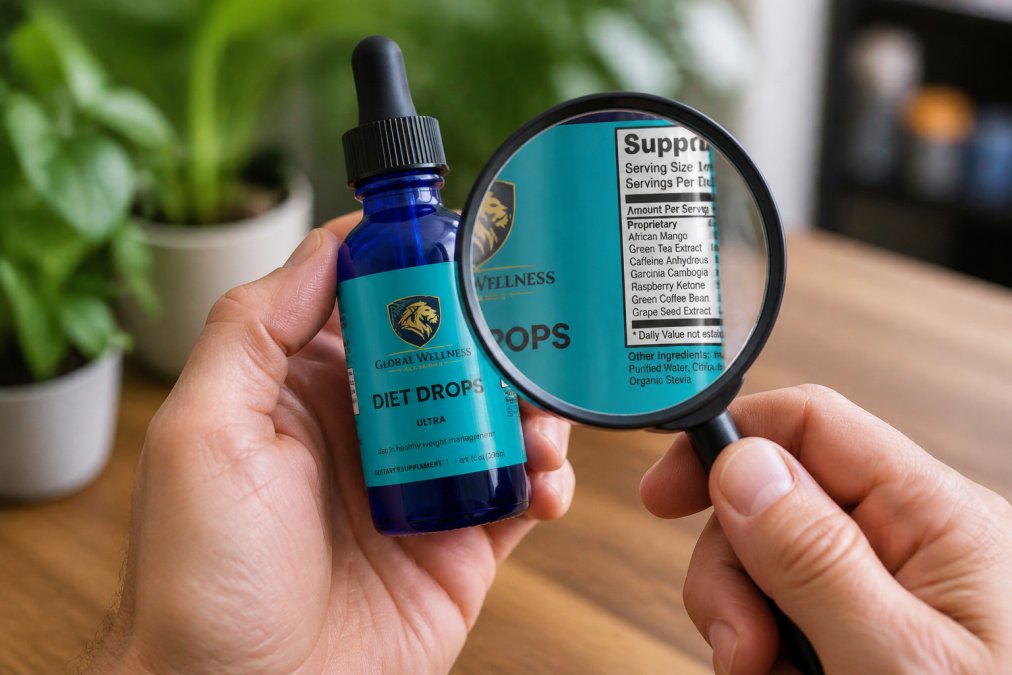
Start by reading the supplement facts panel carefully. The label should list every active ingredient with its amount in milligrams or micrograms. If ingredients are vague, like "proprietary blend" without itemized amounts, that's a red flag.
Look for third-party testing certifications. Organizations like NSF International, USP (United States Pharmacopeia), and ConsumerLab conduct independent testing to verify that products contain what they claim and are free from contaminants (nsf.org). These certifications appear as seals or logos on the label or the retailer's product page.
Check the manufacturer's sourcing claims. Quality supplement brands disclose where their raw materials come from and how they're processed. Verify this information on the product page or by contacting the brand directly.
Examine the batch number and expiration date. Every legitimate supplement has both. The batch number allows you to trace the product back to its manufacturing run, and the expiration date tells you the product is still potent.
Research the manufacturer's reputation. Search the brand name plus "quality" or "testing" to see what independent reviewers and health professionals say. Consistent positive feedback across multiple sources is a good sign.
Understanding FDA Supplement Regulations for Consumers
The Food and Drug Administration (FDA) oversees supplements under the Dietary Supplement Health and Education Act (DSHEA), which sets different standards than drug approval. Supplements don't require FDA approval before they're sold (the FDA). Manufacturers are responsible for ensuring their products are safe and accurately labeled.
This means you need to be skeptical of marketing claims. Any supplement label that says it "cures," "treats," "prevents," or "diagnoses" a disease is making an illegal claim. Legitimate supplement language uses phrases like "supports," "promotes," "helps maintain," or "contributes to."
Look for the disclaimer on every legitimate supplement: "These statements have not been evaluated by the Food and Drug Administration. This product is not intended to diagnose, treat, cure, or prevent any disease." If this statement is missing, the product is being marketed illegally.
The FDA maintains a list of dietary supplement ingredients with documented safety concerns. Before buying a new supplement, you can search the FDA's dietary supplement ingredient safety database to verify that the active compounds have acceptable safety profiles.
Manufacturers must also follow Current Good Manufacturing Practices (cGMP), which set standards for facility cleanliness, equipment maintenance, and quality control. Reputable brands advertise cGMP compliance on their websites.
Best Practices for Buying Supplements Online
Apply these core practices consistently and you'll avoid most common pitfalls.
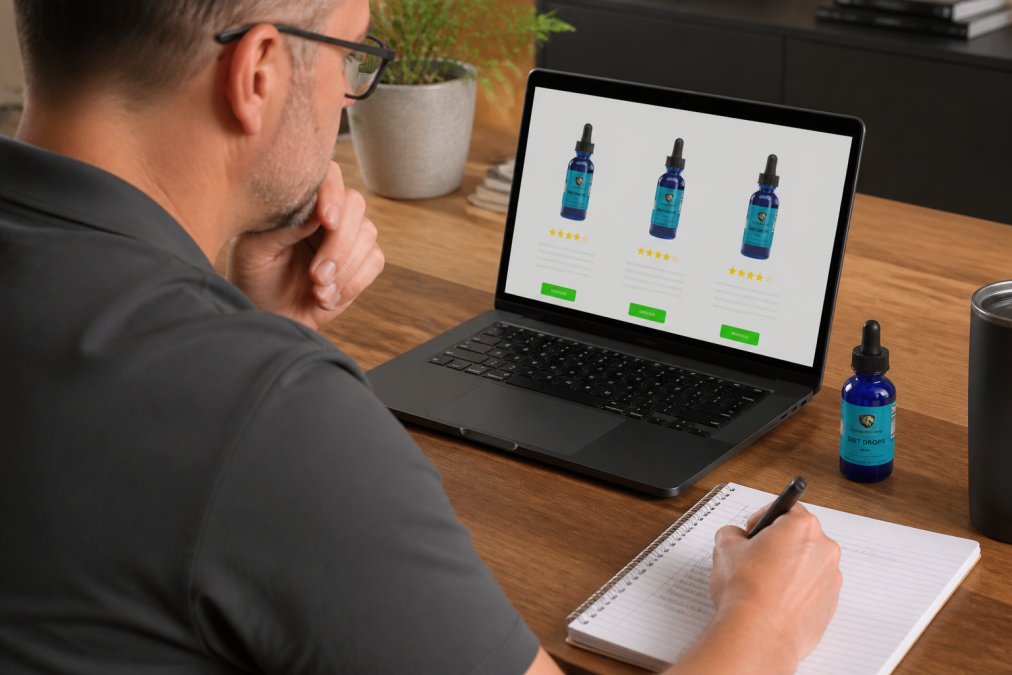
Compare prices across multiple authorized retailers. Legitimate supplement pricing is consistent. If one retailer is significantly cheaper than others, investigate why.
Verify the retailer's return policy before buying. Reputable supplement retailers accept returns of unopened products within 30 days. Keep your receipt and packaging until you've verified the product works as expected.
Check shipping speed and packaging methods. Quality supplements are sensitive to temperature and light. Retailers that ship in insulated boxes with ice packs care about product integrity.
Read recent customer reviews strategically. Ignore vague five-star reviews and focus on detailed reviews that mention specific results, side effects, or taste.
Ask questions before buying. If the retailer's website doesn't answer your questions about sourcing, testing, or ingredients, contact their customer service. Responsive, knowledgeable support is a sign of a professional operation.
Create a spreadsheet if you're comparing multiple products. List the active ingredients, amounts, price per serving, certifications, and shipping cost. This removes emotion from the decision and makes it easy to spot which option offers the best value.
| Comparison Factor | What to Check | Why It Matters |
|---|---|---|
| Active Ingredients | Listed with amounts (mg/mcg) | Confirms product contains claimed compounds |
| Third-Party Testing | NSF, USP, or ConsumerLab seal | Verifies purity and potency |
| Manufacturer Location | Country of origin disclosed | Confirms Swiss drops are actually Swiss-sourced |
| Expiration Date | At least 6 months from purchase | Ensures product potency at time of use |
| Return Policy | 30-day unopened returns accepted | Protects you if product doesn't meet expectations |
| Shipping Method | Insulated packaging for temperature control | Preserves supplement stability during transit |
| Price Per Serving | Calculate total cost divided by servings | Reveals true value versus headline price |
| Customer Reviews | Specific, detailed feedback preferred | Identifies real user experience patterns |
Pricing, Shipping, and Availability for Swiss Drops
Premium Swiss drops typically range from $19.80 to $59.00 per bottle, depending on the active ingredients and concentration. Global Wellness Alliance's Normal Blood Sugar Drops start at $19.80 for a 2 fl oz bottle, while specialized formulations like Methylene Blue Drops run $59.00. These price points reflect ingredient quality, sourcing, and third-party testing costs.

Bulk purchasing typically offers modest discounts of 10-15% compared to single-bottle purchases. Some retailers offer subscription models at a discount, which works well if you've already confirmed the product delivers results for you.
Shipping costs and speed vary significantly. Direct-from-brand retailers typically offer flat-rate shipping or free shipping above a minimum order. Factor shipping costs into your price comparison; a $5 cheaper product isn't a bargain if shipping costs $15 more.
Availability fluctuates seasonally. Popular formulations sell out during certain times of year. If you find a product that works, don't wait to reorder.
International shipping is rarely available for supplements due to regulatory complexity. Most Swiss drops are manufactured in the United States or Switzerland and shipped domestically.
Authentic Swiss Drops vs. Generic Alternatives
Authentic Swiss drops use ingredients sourced from Switzerland or manufactured to Swiss pharmaceutical standards. Switzerland has strict quality regulations for supplement manufacturing, which is why "Swiss" on a label carries weight.
Check the manufacturer's country of origin. If a bottle says "Made in Switzerland" or "Swiss Formula," verify this claim on the manufacturer's official website.
Ingredient sourcing differs significantly. Authentic Swiss drops use specific plant extracts and compounds known for purity and potency. Generic versions might use cheaper botanical extracts with lower active compound concentrations.
Third-party testing separates authentic products from generic ones. Generic alternatives often skip this step to save money.
Price reflects these differences. Authentic Swiss drops cost more because quality costs more. A bottle priced suspiciously low compared to competitors is either an older batch, counterfeit, or made with inferior ingredients.
Research the brand's history. Authentic Swiss supplement companies have verifiable histories. Global Wellness Alliance, founded by a disabled combat veteran committed to recovery and wellness, represents the kind of mission-driven transparency that builds trust.
What to Know About Dietary Restrictions and Ingredients
Supplements contain ingredients beyond the active compounds, and those inactive ingredients matter if you have dietary restrictions or allergies. Reading the full ingredient list is essential.
Common allergens in supplements include shellfish, tree nuts, soy, and gluten. Scroll down to the full ingredient list and read every item.
Vegan supplements exclude animal-derived ingredients like gelatin capsules. If you follow a vegan diet, verify that the supplement uses plant-based capsules or liquid format.
Sweetening agents vary. Some supplements use stevia, others use sugar alcohols like xylitol or sorbitol, and some use artificial sweeteners. Check the ingredient list if you're avoiding certain sweeteners.
Alcohol content matters for some users. Liquid supplement formulations often contain ethanol as a preservative. Global Wellness Alliance's Diet Drops Ultra contains ethanol as part of its preservation system, which is important to know if this is a concern for you.

Allergen warnings should be clear. Legitimate manufacturers include statements like "Contains: Shellfish" or "May contain: Tree nuts" in the cautions section of the label.
Medication interactions are real. If you take blood thinners, diabetes medications, or blood pressure drugs, discuss any new supplement with your doctor or pharmacist before buying.
Conclusion
Finding where to buy Swiss drops requires balancing convenience with verification. Your best approach combines multiple verification steps: checking certifications, reading detailed reviews, confirming manufacturer claims, and comparing across authorized retailers.
Global Wellness Alliance offers Swiss drops formulated with transparency and third-party testing, including options like Normal Blood Sugar Drops at $19.80 and Methylene Blue Drops at $59.00. The brand's commitment to quality sourcing and founder experience in recovery makes it a reliable choice for consumers serious about supplement effectiveness. Get started with Global Wellness Alliance and experience supplements designed with integrity and your actual wellness needs in mind.

Frequently Asked Questions
Q: What are Swiss drops used for?
A: Swiss Drops are premium liquid supplement formulations designed to support various wellness goals, from weight management and metabolic health to cognitive function and immune support. The liquid drop format allows for flexible dosing and easy daily integration into your routine. Common uses include supporting energy levels, promoting relaxation, and maintaining healthy glucose metabolism. Always follow the suggested use on the label and consult a healthcare professional if you have specific health concerns.
Q: How can I verify the purity of wellness supplements?
A: To verify supplement purity, check for third-party testing certifications from organizations like NSF International or USP (United States Pharmacopeia) on the product label. Review the ingredient list carefully and cross-reference with the manufacturer's website. Purchase only from authorized retailers and established brands. Look for expiration dates, batch numbers, and proper storage instructions. Legitimate manufacturers provide transparency about their sourcing and testing processes. Be wary of products with vague ingredient descriptions or missing manufacturer information.
Q: Are Swiss drops regulated by the FDA?
A: Dietary supplements, including Swiss Drops, are regulated by the FDA under the Dietary Supplement Health and Education Act (DSHEA). However, FDA regulation differs from drug approval. Manufacturers are responsible for ensuring safety and accurate labeling before products reach consumers. The FDA monitors supplements for safety issues and can take action if products are found to be unsafe or misbranded. Always look for statements on labels indicating that claims have not been evaluated by the FDA, which is standard for all dietary supplements.
Q: What should I look for when buying imported herbal drops?
A: When purchasing imported supplements, verify the manufacturer's country of origin and check for proper import documentation. Confirm that the product complies with FDA regulations and carries appropriate labeling in English. Look for authenticity markers such as batch numbers, expiration dates, and manufacturer contact information. Purchase from authorized distributors rather than unverified third-party sellers. Verify that the supplement has been tested for contaminants and meets quality standards. Check customer reviews from verified purchasers and confirm the retailer's return policy.
This article was written using GrandRanker